How to Read a Korean Used-Car Inspection Report and Score
Drawing on thousands of real shipments from our Incheon yard, here is our practical, no-fluff take. Korean inspection reports are detailed but easy to misread. Here is how to decode the diagram, the notes, and the score before you buy.
What a Korean Inspection Report Actually Is
Most used cars sold in Korea come with a standardized performance inspection report prepared at the point of sale. It records the odometer, identification details, and the condition of major systems, plus a body diagram noting panel work. Think of it as a structured snapshot rather than a guarantee of perfection. For an overseas buyer, it is one of the most useful tools you have, because it forces the seller to disclose accident repairs and component status in a consistent format. Learning to read it turns a wall of unfamiliar boxes into a clear picture of what you are really buying, before the car ever reaches the loading port at Incheon or Busan.
Decoding the Body Diagram and Its Marks
The heart of the report is a line drawing of the car with coded marks on each panel. Different symbols distinguish simple replacement of a bolt-on part, like a fender or door, from welding or repair to the structural frame. This distinction matters enormously. A replaced fender from a parking knock is minor; signs of repair to structural members suggest a heavier collision. When you see marks, ask which panels and why. A clean diagram with no structural notes is reassuring, while clustered marks at the front or rear point to a meaningful accident history you should price in or avoid, depending on your market's tolerance.
Reading Accident and Repair History Honestly
Reports typically separate simple exchange of exterior parts from accident repair touching the frame or main structure. Buyers often panic at any mark, but a Hyundai or Kia with a single replaced bumper is entirely normal and not a red flag. What deserves scrutiny is structural repair, flood or fire indication, or a vehicle described as previously written off. Ask the exporter to explain every notation in plain language and to show photos of the relevant area. An honest answer, this Sportage had its rear bumper swapped after a low-speed hit, is far more trustworthy than a vague claim that the car is perfect with no history at all.
Checking Mileage, Engine, and Component Status
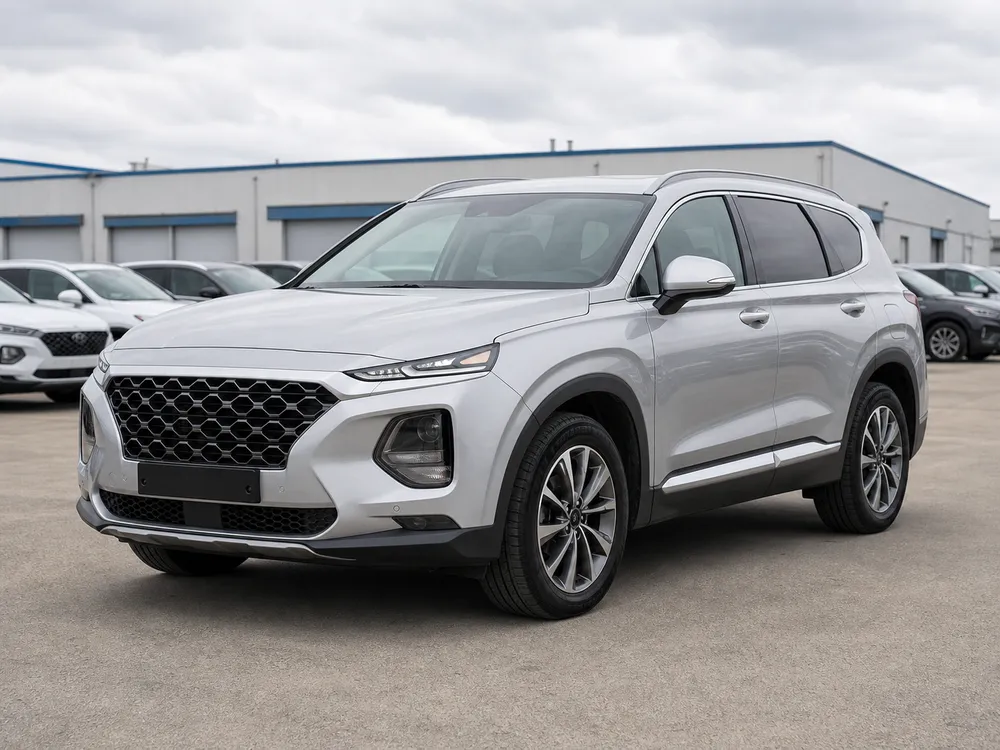
Beyond the body diagram, the report rates major mechanical and electrical systems and confirms the odometer reading. Compare the stated mileage against the car's age and wear: a 2020 Santa Fe with very low kilometers but worn pedals and seats deserves questions. The report should flag the condition of the engine, transmission, brakes, and key electronics. None of this replaces your own due diligence, but inconsistencies between the report, the photos, and the asking price are exactly what you want to catch early. When numbers and condition tell the same story, your confidence should rise; when they conflict, ask for clarification before committing.
The Photos You Should Always Demand
A report is stronger when paired with the right images. Always request clear photos of the VIN plate, the odometer showing current mileage, all four exterior corners, the engine bay, the tires and tread, and close-ups of any panel the diagram flags. For interiors, ask for the dashboard with the engine running, the seats, and the headliner. If the report mentions repair to a specific area, demand a photo of that exact spot. A seller who quickly provides this set is demonstrating that the car and the paperwork match. Reluctance to photograph a flagged panel is itself a useful signal worth heeding.
Putting the Report Into Your Buying Decision
Use the report as a filter, not the final word. Combine the diagram, the system ratings, the mileage, and the photos into one judgment: is this car honestly described and fairly priced against the Korean market? A car with a minor, well-explained history at a sensible FOB price is often a smarter buy than a supposedly flawless unit with no supporting evidence. We walk buyers through each report line by line, because an informed buyer makes calmer decisions and rarely regrets them. The goal is not a perfect car on paper, but a car whose paper, photos, and price all agree with one another.
Ready to start? Browse current stock or message us on WhatsApp with your target model and destination port.